


Fall Pond Maintenance in North Carolina
Early fall, not deep winter, is when North Carolina ponds lose fish. Turnover, falling leaves and the last warm nights all land in the same six weeks. Here is what to do in September, October and November, including the one inspection the state ties to every storm over an inch.

How Much Does Pond Dredging Cost in North Carolina?
No public agency in North Carolina publishes a per cubic yard price for pond dredging, and that is not evasion. Cost is set by measured sediment volume first, then dewatering, hauling, disposal and access. Here is what actually moves the number, and what to have measured before you take a bid.
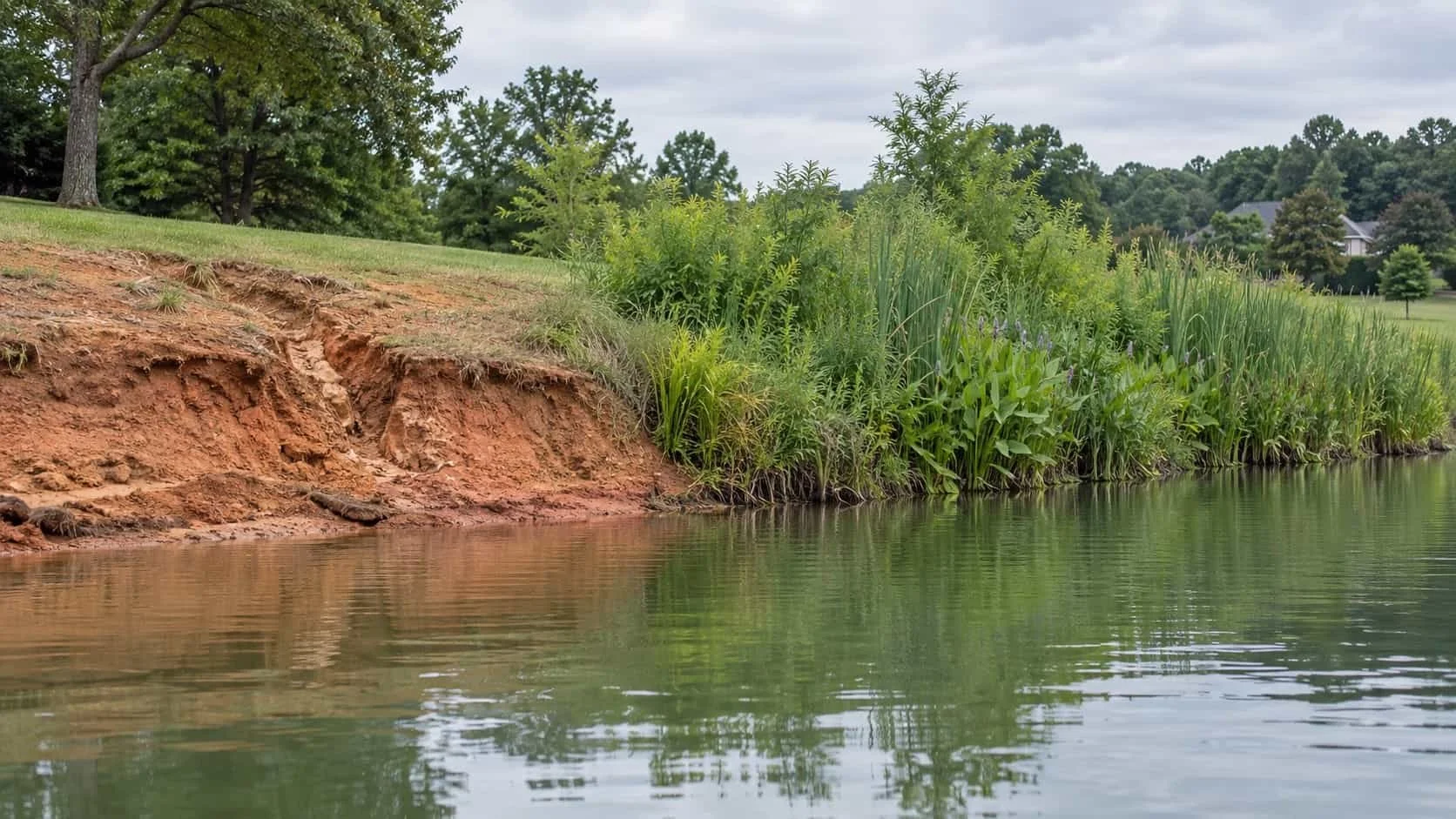
Pond Bank Erosion: Why Fall Is the Right Time to Fix It
An eroding pond bank is not a cosmetic problem. It is your storage volume moving to the bottom of the pond, and on a dam it is a safety issue. Fall is the one window when you can grade, seed and plant in the right order. Here is the sequence, and what each repair method really costs you.

Who Is Actually Responsible for Your Neighborhood Pond in North Carolina?
Whether your community’s stormwater permit is a state permit or a local one depends on where you are. North Carolina’s own permitting guidance is explicit that the location of a project and the post-construction programs implemented in that area determine whether a permit application goes to the state or to local government.⁷ Many Piedmont municipalities and counties — Charlotte and Mecklenburg County, Mooresville, Concord, Statesville and others — run delegated post-construction programs with their own ordinances, inspection expectations, and enforcement.
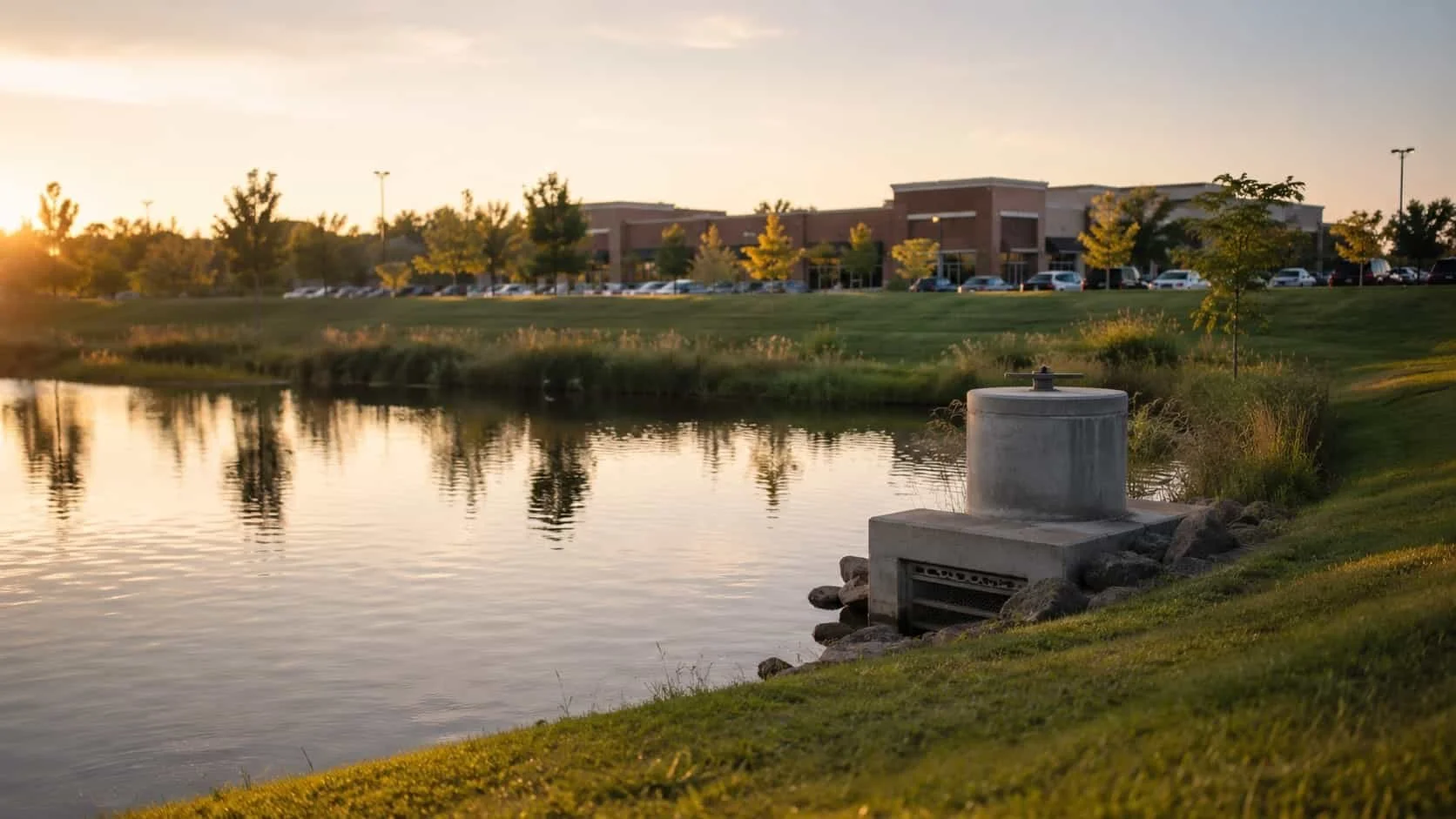
How Do Commercial Properties Manage Stormwater Ponds? A North Carolina Field Guide
That pond behind your building is permitted infrastructure with a job to do. Here is how commercial properties in North Carolina actually manage stormwater ponds — the schedule, the inspections, and who does what.
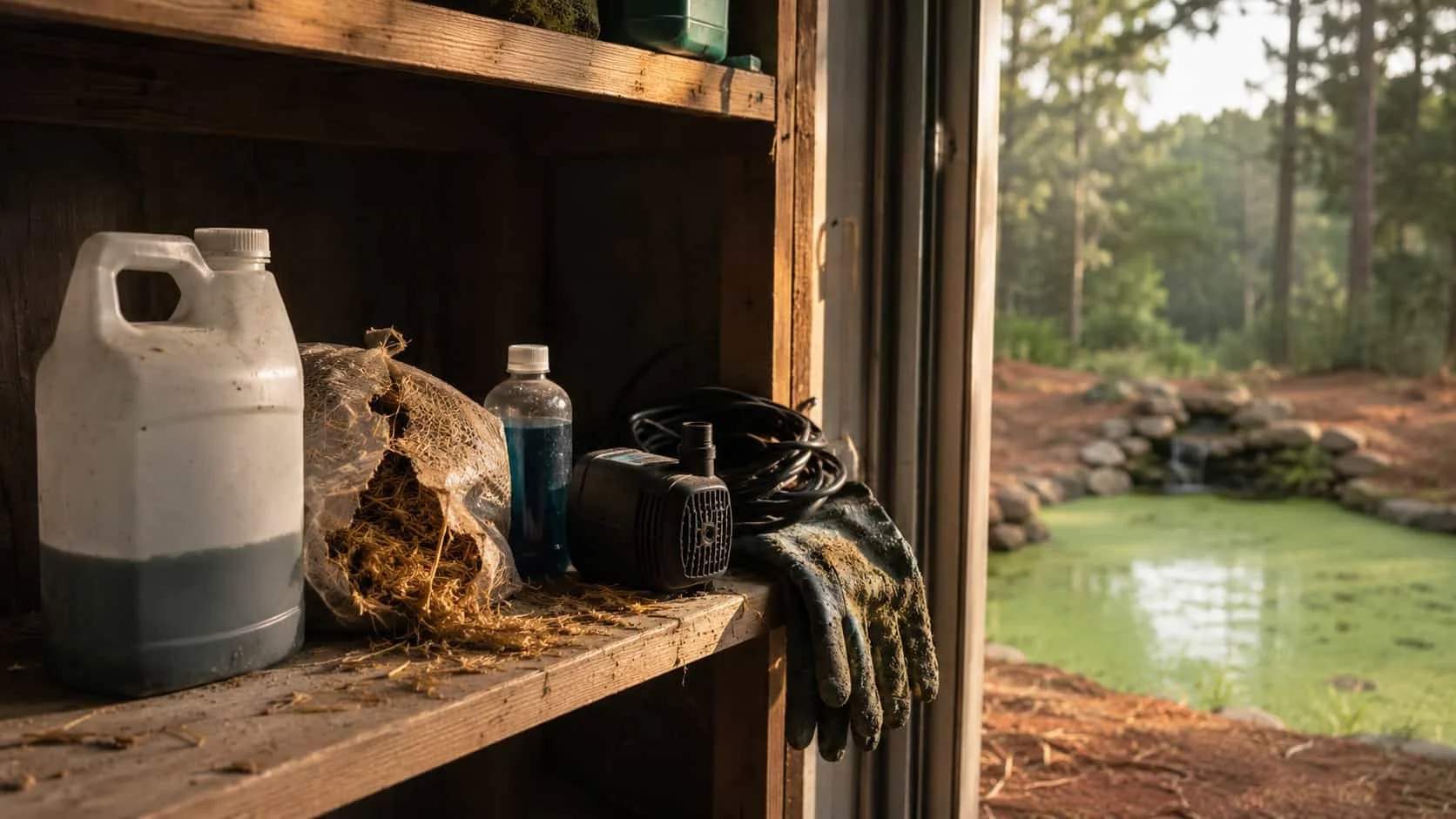
Is It Worth Hiring a Pond Management Company? The Honest Answer
You have spent the summer buying things for this pond. Here is the honest accounting: what you can genuinely do yourself, what was never going to work, and the line where hiring a pond management company starts saving you money instead of costing it.
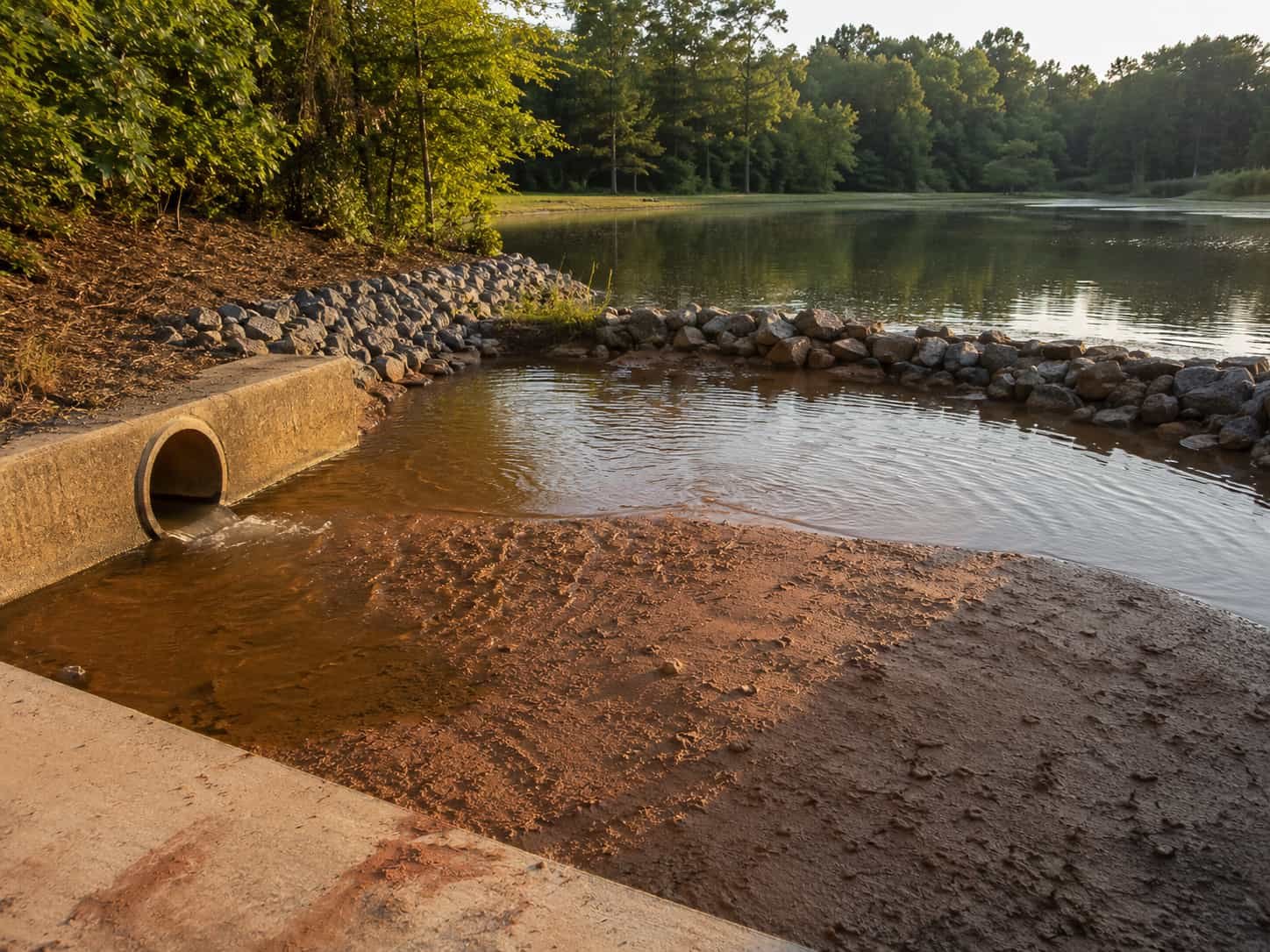
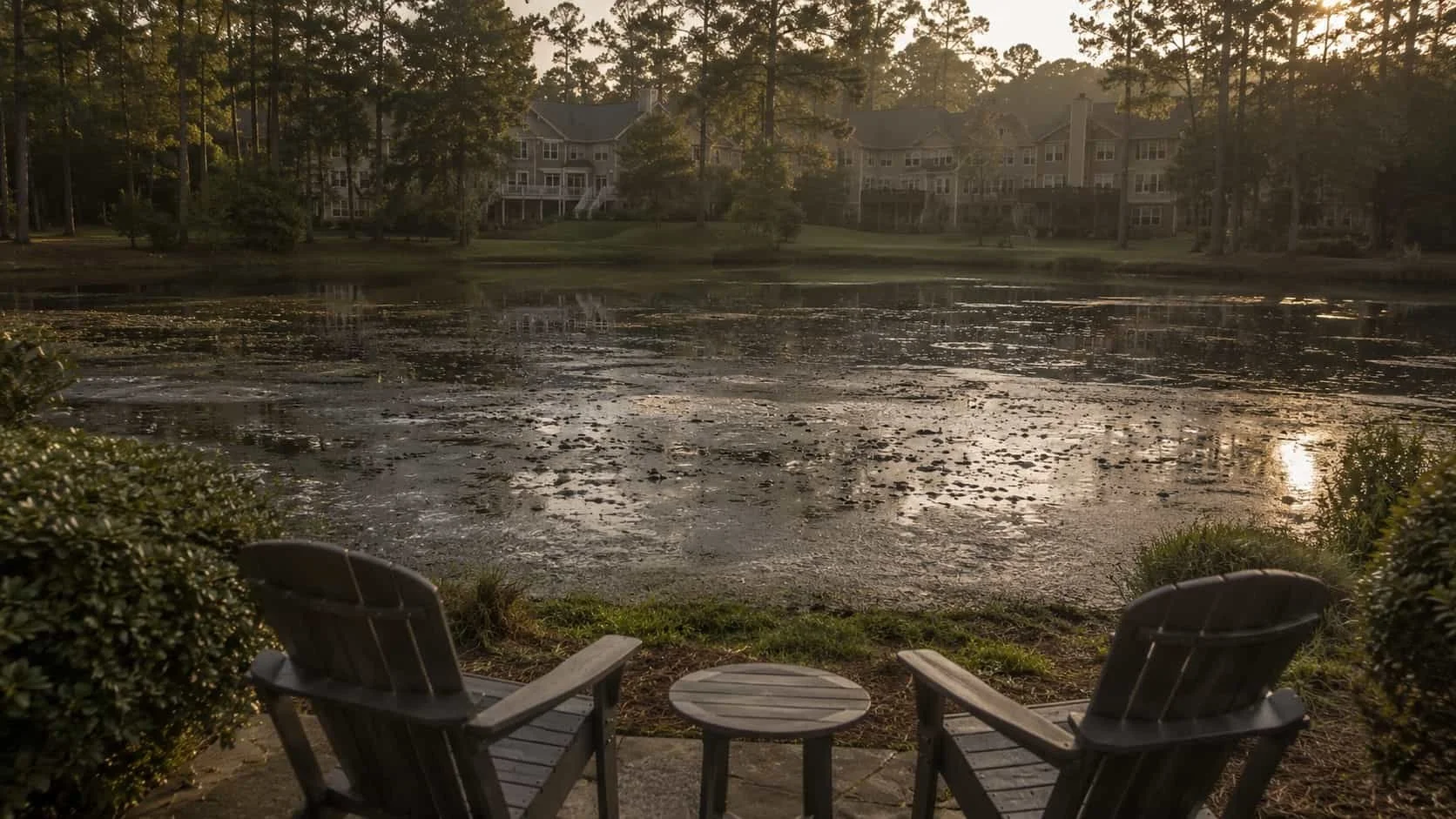
That Summer Pond Smell? It’s Muck — Here’s How To Repair Your Pond
That rotten egg smell coming off your pond in August is hydrogen sulfide, and it means the bottom of your pond has run out of oxygen. Here is what is causing it, how to measure how bad it is, and the order the fixes have to happen in.

Why Your Pond Turned Green This Summer (And How to Get It Clear Again)
Your pond was clear in May and looks like paint by July. Here is what the green actually is, which kinds are dangerous, what you can safely fix yourself, and the point where treating it yourself starts killing fish.

Why Your Fish Are Floating: Summer Fish Kills in North Carolina Ponds
One calm, ninety-five-degree week is all it takes. Dissolved oxygen crashes overnight, the biggest fish go first, and by sunrise someone is asking the board what happened. Here is how oxygen crashes actually work in North Carolina ponds — and what stops them.
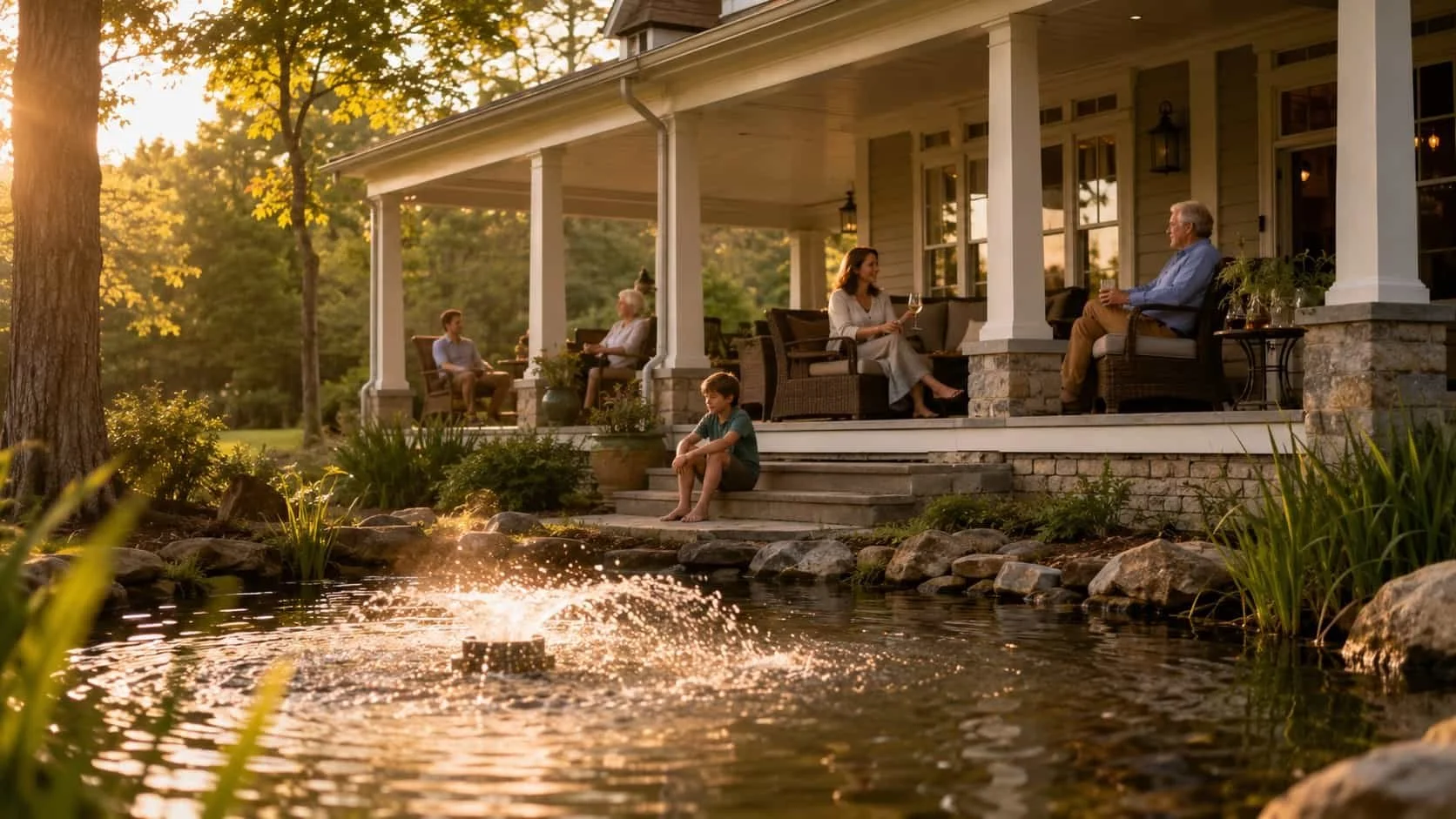
Your Pond Isn't the Mosquito Problem — Your Neighbor's Birdbath Is
A plain-language guide to how aerated, balanced North Carolina ponds reduce mosquito populations naturally — no toxic sprays required.
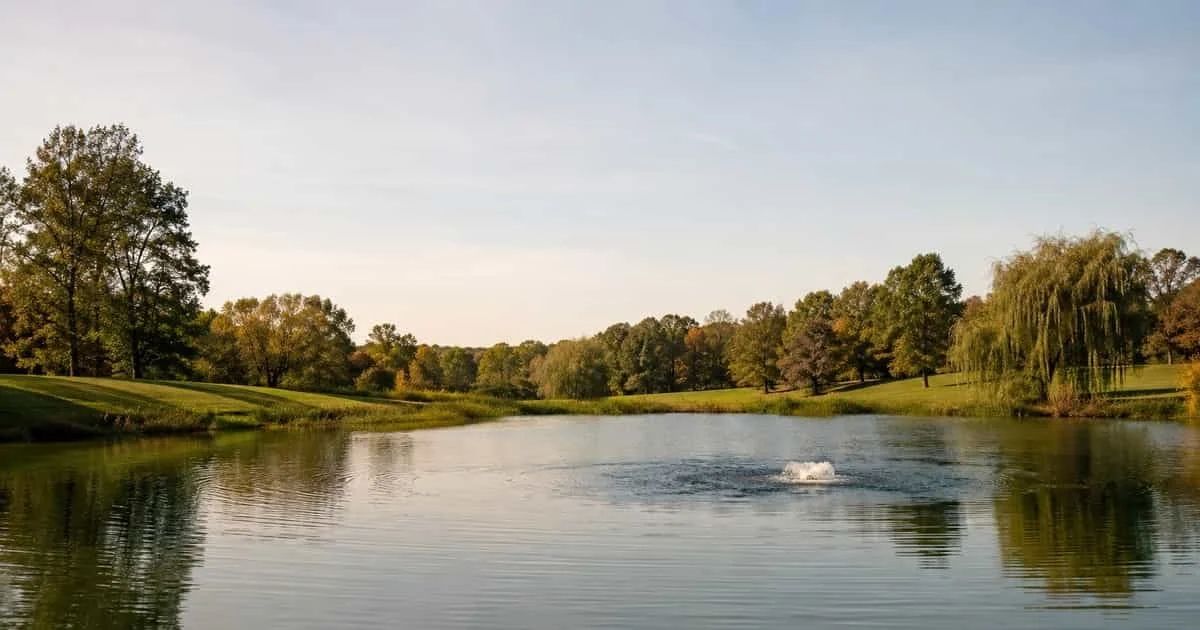
Why Your Summer Maintenance Tickets Spike — and How Pond Care Stops Three of Them at Once
Mosquitoes, odor, and slick walkways are three different tickets with one upstream cause. Here's how multifamily teams turn four service calls into one program.
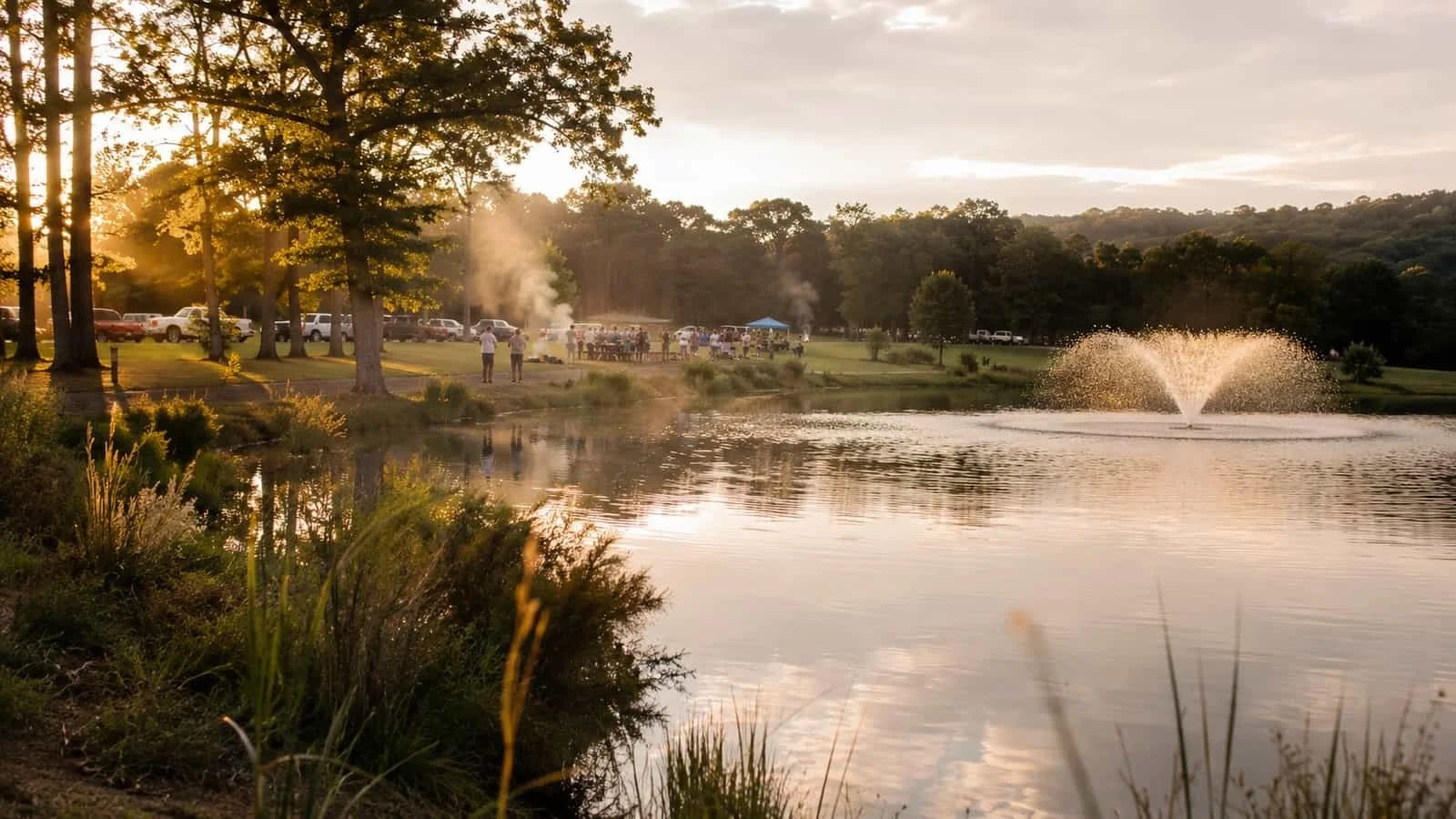
Green, Smelly, and Embarrassing: A Board's Guide to Holiday-Weekend Pond Triage
The pond always picks the worst week to turn green. Here's how a board gets ahead of the Fourth-of-July complaints — and what to do if it's already happening.
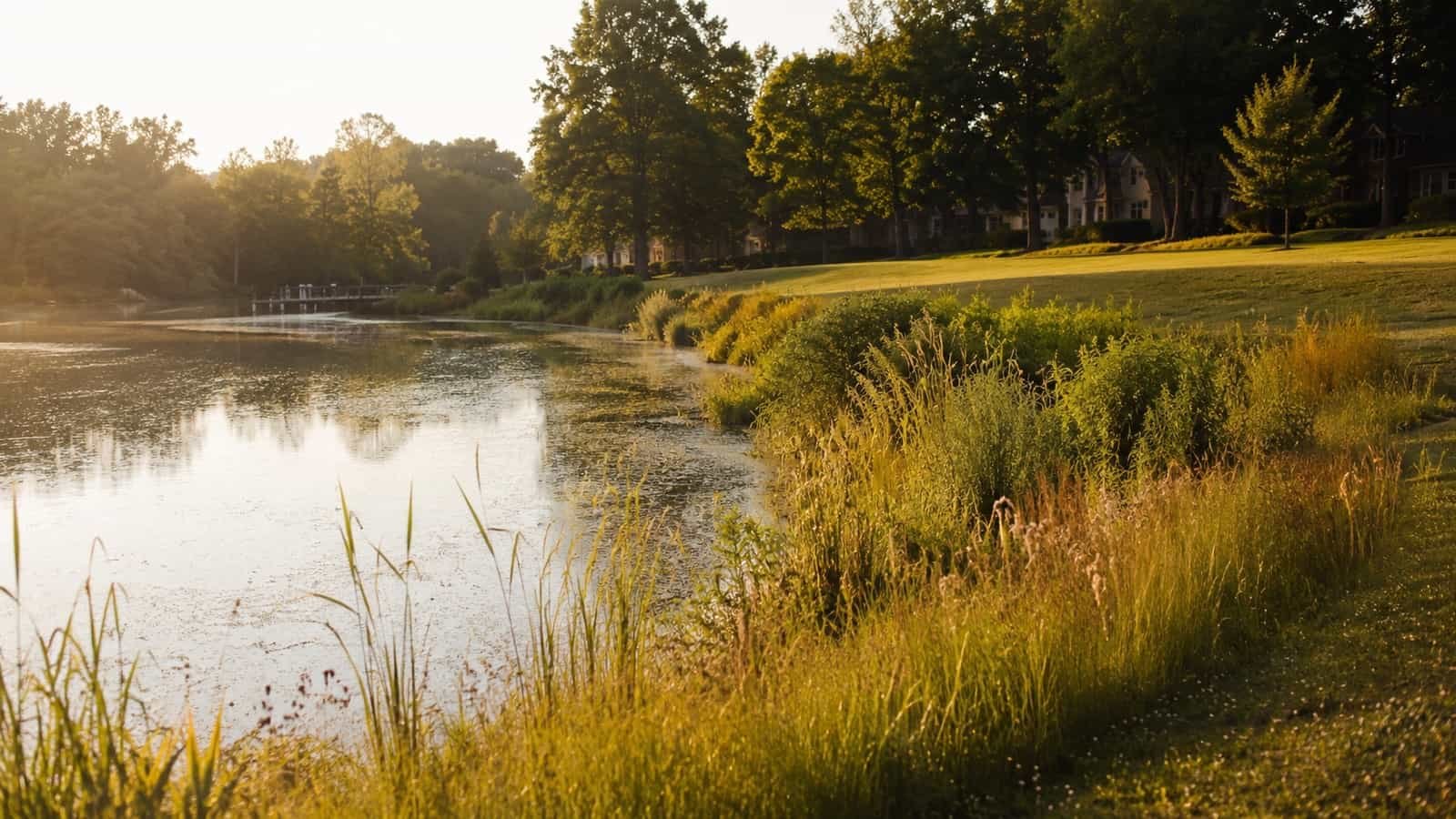
Your Pond Has a Goose Problem. Here's What Actually Works (and What's Just Lawn Decor).
Plastic owls won't do it. Here's the lawful, lasting way to get Canada geese — and their droppings — off your community pond this summer.

Friend or Foe? A Visual Guide to North Carolina’s Most Common Pond Plants
Not every green thing in your pond is a problem. This guide helps NC HOA boards, golf superintendents, and homeowners tell the difference between normal aquatic plants, nuisance growth, and invasive weeds that need professional attention.
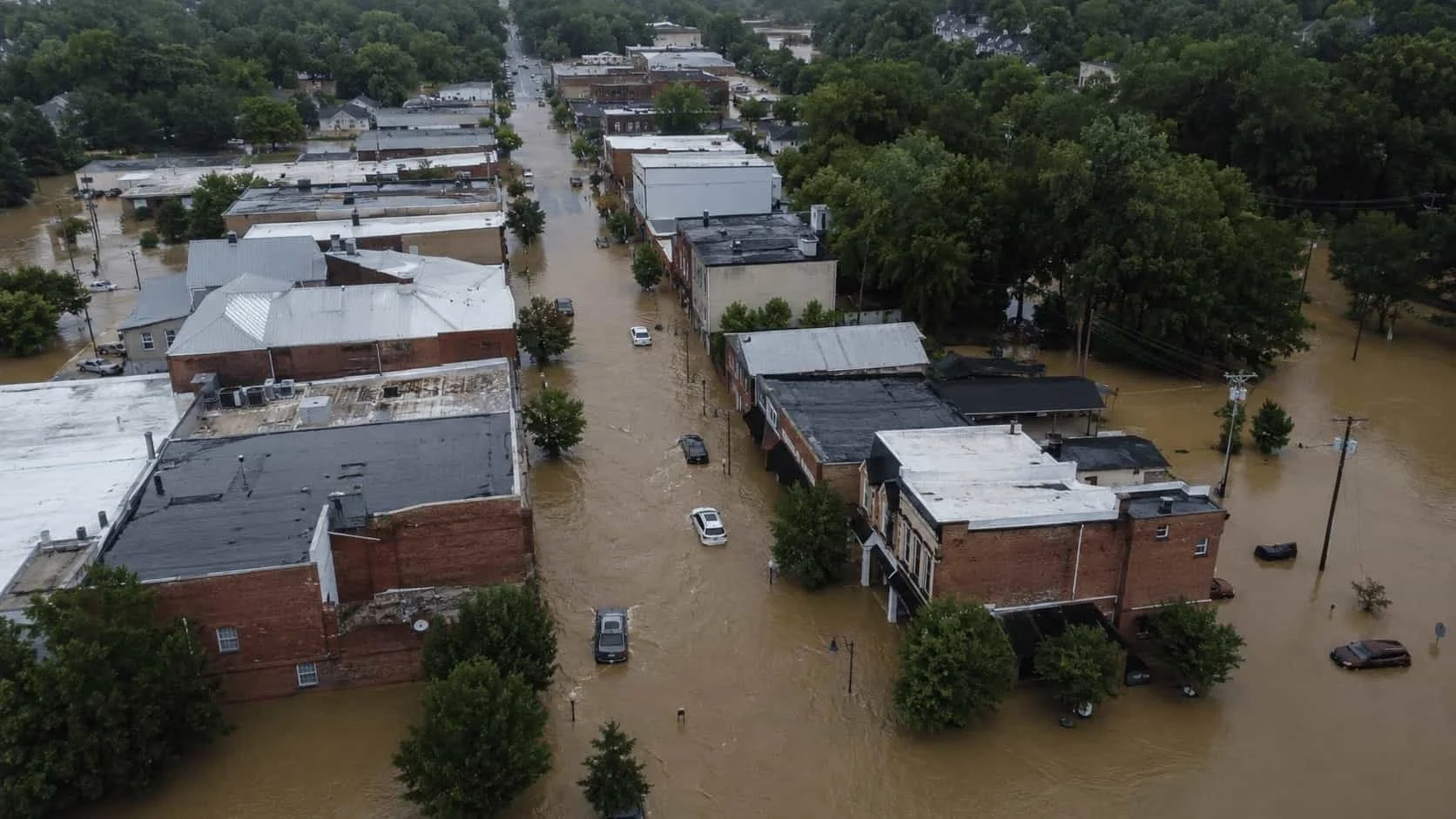
North Carolina Got Hit Twice in 2024. Is Your Drainage Ready for 2026?
In 2024, Tropical Storm Debby dropped four inches on Charlotte and flooded Piedmont rivers in August. Six weeks later, Hurricane Helene killed 107 people, caused $59.6 billion in damage, and triggered a 27-county disaster declaration. This guide covers what happened, what it means for industrial and commercial drainage, and how to get ready before the 2026 season tests your site.

Inspection Season is Here: How NC Property Managers Pass on the First Try
June stormwater inspection season can sneak up on HOA boards, office parks, and retail centers fast. Here’s what North Carolina property managers should check before the inspector arrives, from clean trash racks and sediment depth documentation to legible SCM nameplates and visible maintenance records.

Turning Your Office Park's Stormwater Pond into an Employee Amenity
"Blue Space" research consistently shows employees with water views report higher job satisfaction and lower stress; a well-managed pond is a low-cost amenity that helps tenants justify lease renewal.
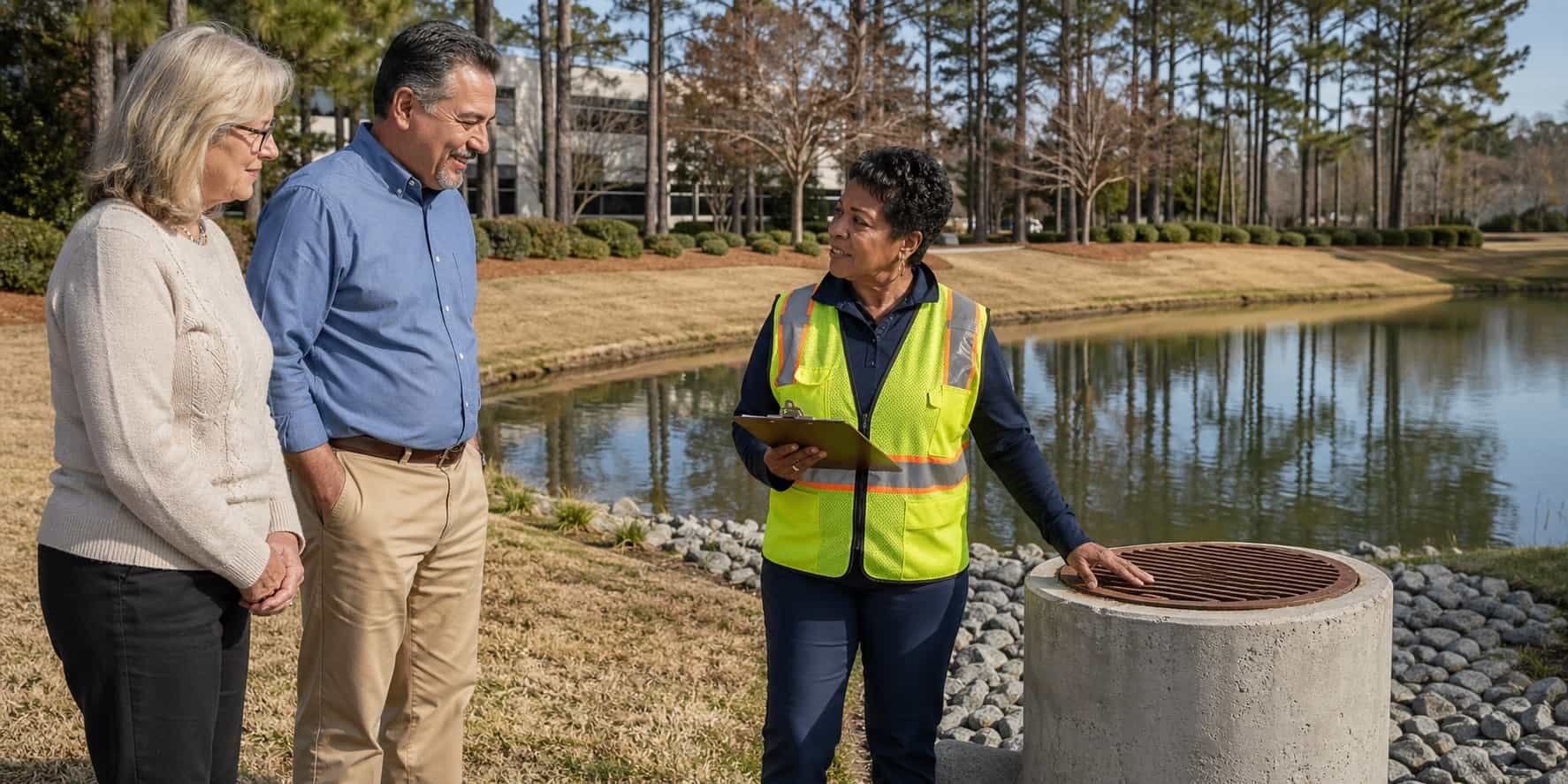
Implementing New Permit Requirements for General Industry
After North Carolina re-issues an industrial stormwater permit, facilities have a short window to update SWPPPs, verify monitoring requirements, and address site conditions. Here is what industrial property owners should do after July 1 to stay ahead of the six-month compliance deadline.
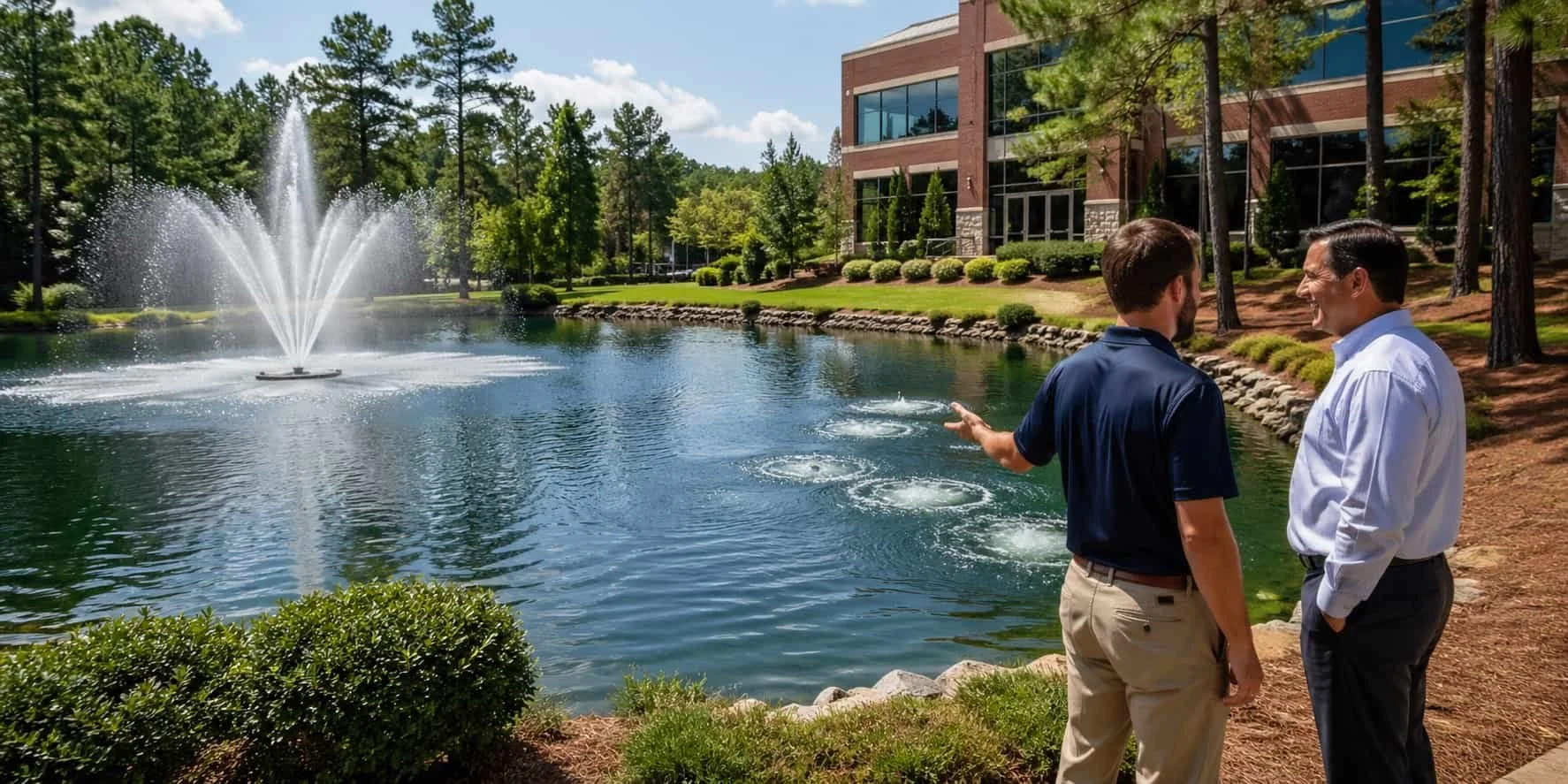
Aeration vs. Fountains: Which Does Your Property Need?
Fountains improve beauty and surface movement, but sub-surface aeration addresses stagnant water by oxygenating and circulating more of the water column. Here is how office parks, commercial properties, HOAs, golf courses, and industrial sites can decide which system their pond actually needs.